FAQs

What is an ACH payment gateway? A 2026 business guide

A secure, efficient way to transfer funds electronically between bank accounts.

Summary: An ACH payment gateway is the secure digital infrastructure that allows businesses to transfer funds electronically between bank accounts.

  • An ACH payment gateway acts as the bridge between a merchant and the ACH network to facilitate transactions.
  • A reliable ACH payment platform like PDCflow can help your business reduce processing fees and improve payment security.
  • ACH payment gateways help organizations maintain Nacha compliance and reduce returns with features like ACH Verify.

Just as credit card payments are processed through a gateway, ACH payment gateways facilitate the transfer of funds from one party to another. An ACH payment gateway is typically the payment processing software vendor that lets a company initiate ACH transactions.

In addition to the ACH payment gateway, businesses must secure an ACH merchant bank account to accept payments from customers. Your payment processor should have existing Merchant Service Provider relationships you can lean on to get your account set up.

How an ACH payment gateway works

ACH payment gateways move funds directly from one bank account to another. Here are the steps a transaction goes through during ACH payment processing:

  1. Authorization: A customer provides their bank account and routing number to your organization and gives their authorization for you to process the payment. During this step, your payment platform might validate bank account information before submitting a transaction (which prevents fraud and human error).
  1. Batching and submission: ACH payments are not submitted one-by-one. Payment vendors typically batch many ACH transactions and submit them to the ACH network for processing at scheduled intervals.
  1. Settlement: Funds must be routed from the customer’s account to you, which can take a few days. Once a payment has been submitted and accepted, the money is transferred and will appear in your merchant account.
  1. Returns: Sometimes, transactions can not be completed. For example, if a bank account has insufficient funds to cover the payment, the transaction will be returned. Your ACH payment platform should offer an exception report that details these returns. Your company can see the ACH return code to know what when wrong with the transaction.

The funding window for ACH transactions is typically four business days. Accounting for weekends, companies that process ACH usually receive funds one week after a transaction is processed.

In select cases, your organization may qualify for same-day funding. However, companies must undergo additional applications, requirements, and approval to be eligible.

Why businesses use an ACH payment gateway

Why should your business take payments using an ACH payment gateway? Companies should offer ACH payments to give customers multiple payment methods to choose from.

Along with catering to customer preferences, ACH transfers can give your business other advantages:

  • Seamless security: It is harder to commit fraud through ACH payment gateway transactions.
  • A cost-effective solution: ACH transactions come with fewer fees than credit cards and charge a flat fee (not a percentage) per transaction.
  • Easier merchant account approval: When setting up ACH payments, it is often easier to get approved for an ACH merchant account than a credit card account.

ACH payment gateway vs other payment methods

Choosing whether to use an ACH payment gateway will depend on your business’s specific needs. Here is how ACH measures up against credit cards and wire transfers:

Feature

ACH Payments

Credit Cards

Wire Transfers


Processing fee
Low (often a flate fee)
High (percentage-based)

High (percentage-based)


Speed
1-4 business days
Real-time authorization
Near instant

Risk of Chargeback
Low
Minimal
High

Best for
Recurring bills, large transactions
Retail, small consumer buys
Large, high-value transfers

Sometimes, ACH payments are not the best choice for your business. ACH funding speed is a common reason businesses hesitate.

To accommodate the need for faster settlement, you can ask your ACH payment platform about same-day options or add on credit card processing.

However, if your organization needs funds the same day, that is often a sign of greater cash flow or reconciliation issues.

Solving these operational problems makes ACH processing a sensible, secure, and reliable payment option.

PDCflow’s ACH payment gateway features

Our ACH payment gateway simplifies payment processing, builds trust with customers, and increases engagement. With PDCflow ACH payments, you can:

  • Accept ACH payments via hosted payment pages: Use secure hosted online payment pages that capture, encrypt, tokenize, and store customer account data.

  • Automate recurring payments: Create dependable cash flow with recurring ACH payment schedules. Get paid on time without processing each transaction manually.

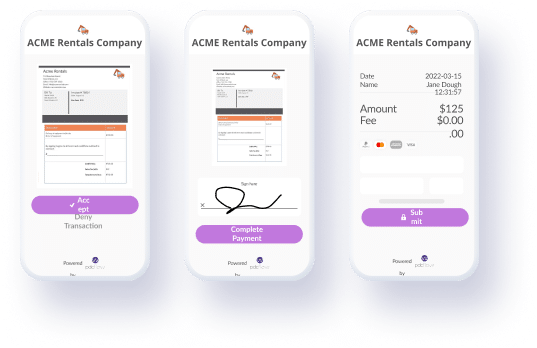
  • Send email and text ACH payment requests: Reach customers through their mobile device or inbox for faster payments. Send requests via a secure payment link, and recipients can pay from anywhere.

  • Authorize schedules via email/SMS: Send recurring payment schedules to customers via email or text. They review and approve the payment plan instantly, and you fulfill Regulation E compliance.

  • Maintain digital proof of authorization: Capture and store proof of authorization by adding a simple esignature request to ACH payments. Stay Nacha compliant and prepared in the event of a dispute.

  • Manage return notifications: Receive a daily email that includes summaries of the previous day's ACH transactions and returns. Or, companies can pull an exception report with a custom date range.
How Payment Channels Impact Customer Experience
Payment Channels Slide 2
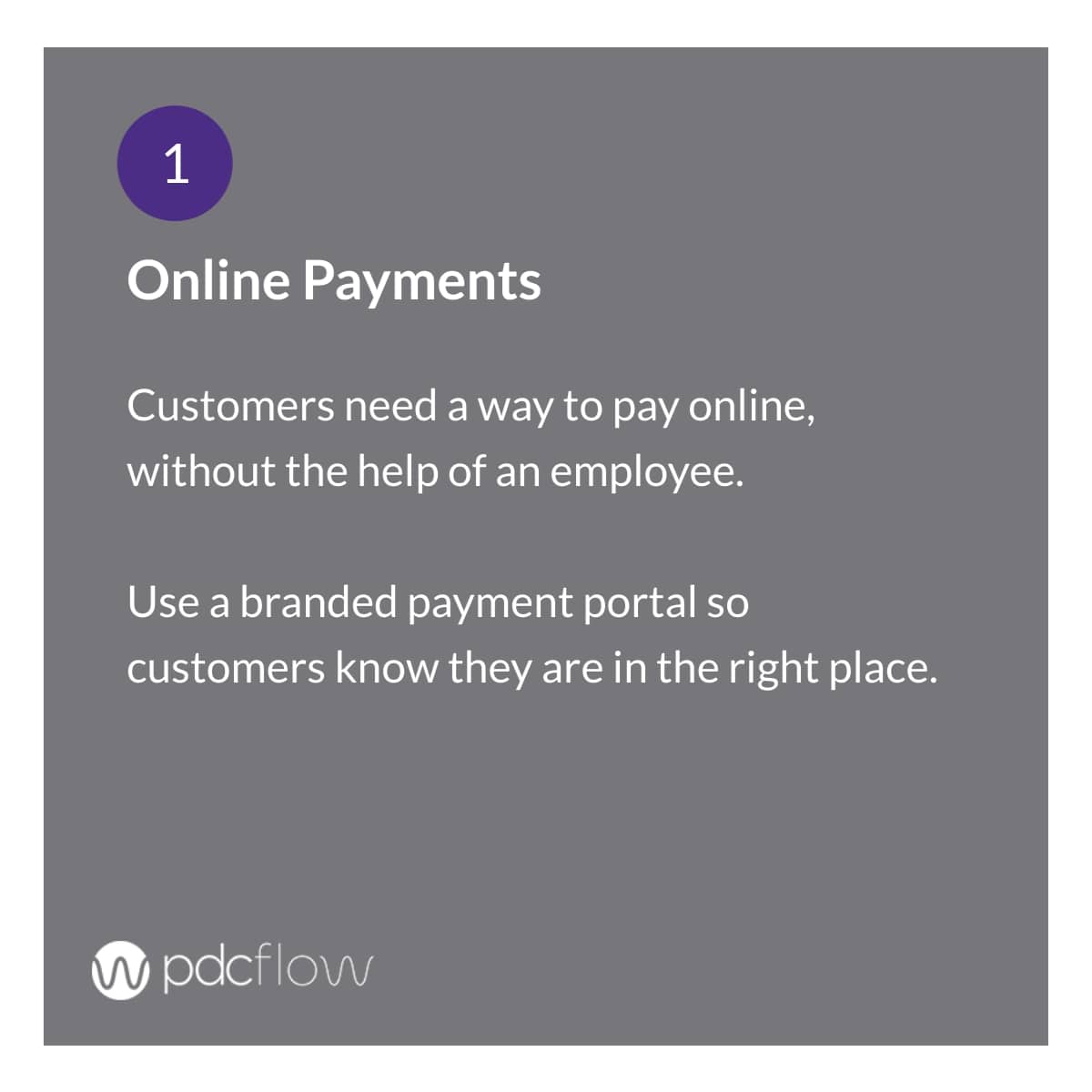
Payment Channels: Online Payments
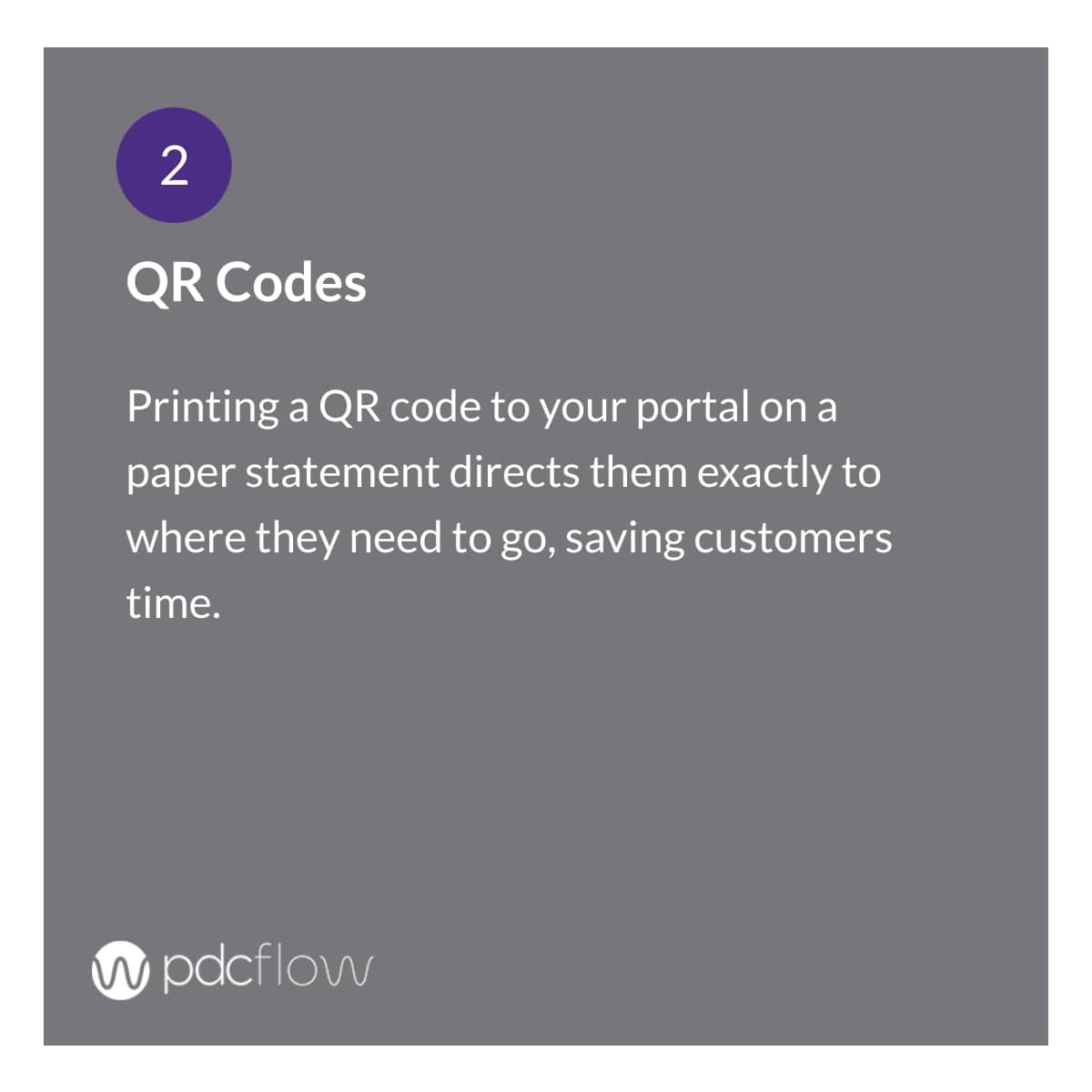
Payment Channels: QR Codes
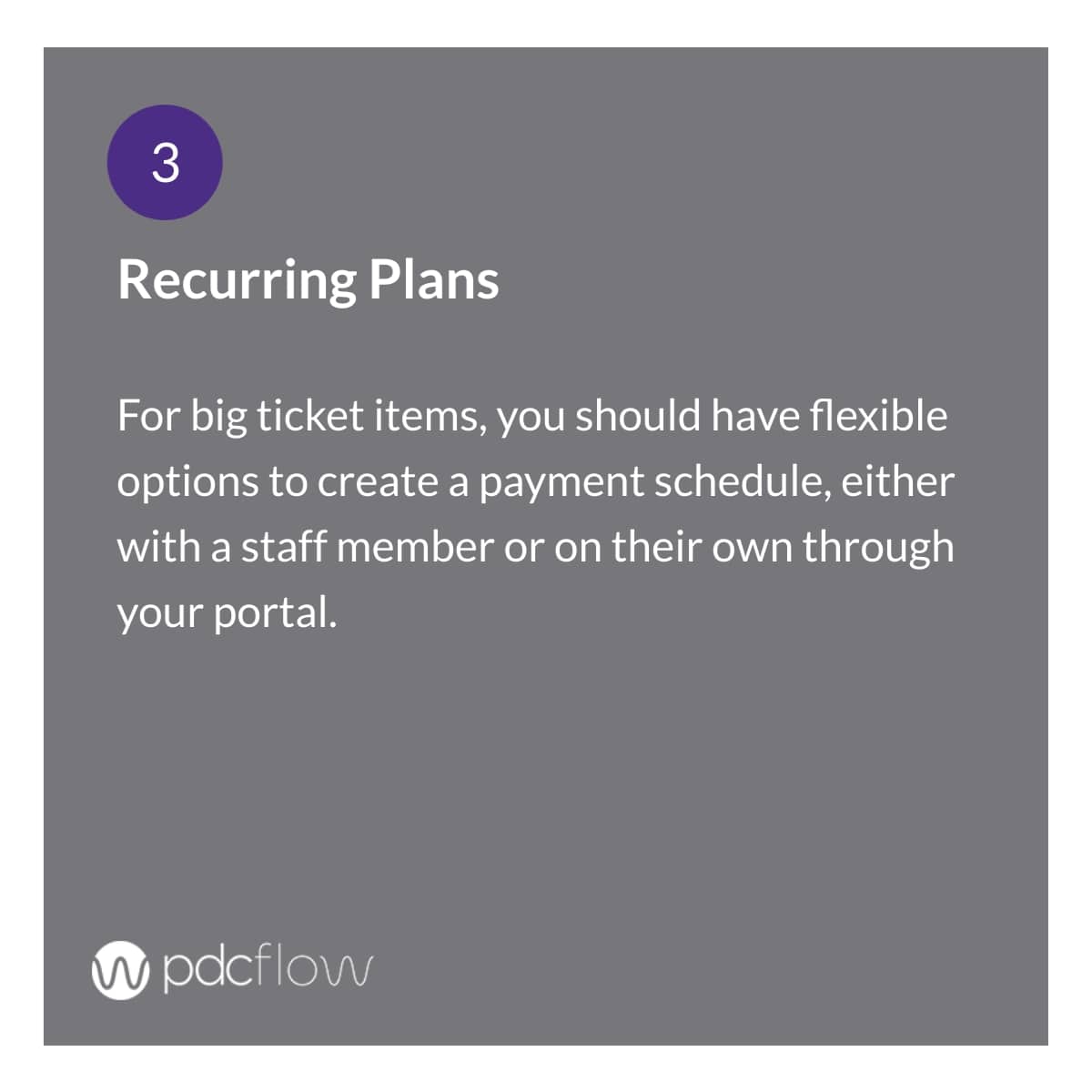
Payment Channels: Recurring Payments
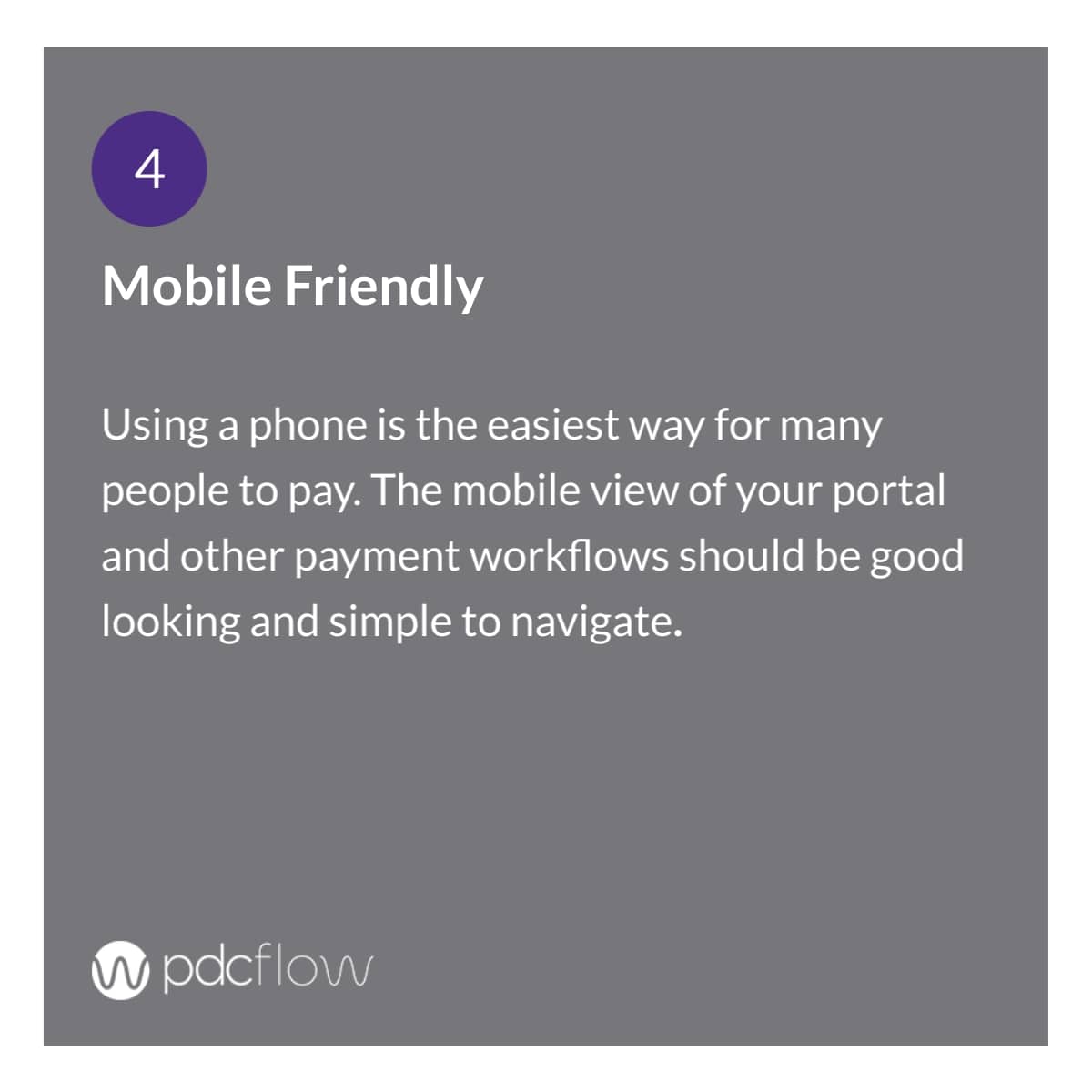
Payment Channels: Mobile Friendly

ACH payment gateway APIs and integrations

Companies can take payments through an ACH payment platform, through an integration offered within a current system of record, or through ACH payment APIs.

For organizations that need to monitor ACH payments from their system of record, ACH payment gateway APIs are a simple way to make that possible.

Modern APIs should seamlessly connect with your existing business tools, including:

  • CRMs and ERPs: Unify customer data, order history, and payment details.
  • Billing and Accounting Software: Eliminate manual data entry and simplify bank reconciliation by integrating directly with accounting platforms to automate the order-to-cash process.

What to look for in your payment APIs:

  • Developer-friendly features: Drop-in options, low-code components, and dedicated support from software developers.
  • Tokenization and secure vault: Find an ACH payment gateway with security features like tokenization and secure vault storage.

ACH payment gateway pricing and fees

ACH payment processing costs can vary depending on the industry. High-risk merchants usually pay higher rates to process payments than other businesses. In general, ACH merchant fees are typically less expensive than credit card processing.

Here are the most common fees associated with ACH payment processing:

  • Per-transaction fee: Companies pay a merchant processing fee for each ACH transaction.

  • Return fee: Companies are charged a fee any time an ACH transaction is returned.

  • Monthly platform fee: Your ACH payment platform will typically charge a monthly fee for access to the software.

  • Same-day fees: For companies that can get approved for same-day funding, additional fees may apply.

  • Volume and risk category: Merchant service costs usually decrease as processing volume goes up. High-risk industries may pay higher fees.

Returned ACH payments and return fees

When an ACH payment can’t be completed, funds are sent back to the originator, and it is classified as “returned.”

Returns happen for many reasons, like insufficient funds, a closed account, or an invalid account number. Each return comes with its own ACH return code, so businesses know what went wrong and can fix the issue (when possible).

  • Returns can cost your company anywhere from $5-$35 per transaction to cover the administrative work of processing the failed transaction.

  • Returns can lead to Nacha fines if your company exceeds acceptable return rate thresholds.

  • PDCflow’s ACH Verify can prevent many simple returns by validating bank information before processing transactions.

Authorization and compliance for ACH payments

According to Nacha (National Automated Clearing House Association), ACH debits require an authorization to ensure transactions are valid.

You may gather valid proof of authorization in different forms, depending on the type of transaction:

  • PPD: A one-time or recurring business-to-consumer ACH transfer requires a written authorization or "wet" signature.

  • TEL: A one-time or recurring ACH transfer taken over the phone requires either a notice before debit or a recorded call. If you enter the customer’s email when taking a payment over the phone, PDCflow automatically sends the notice before debit on your behalf.

  • WEB: A one-time or recurring ACH processed via a website requires input that validates identity, permission to debit, and revocation language.

  • CCD: A one-time or recurring business-to-business ACH payment requires written authorization or a "wet" signature.

Companies must record proofs of authorization and hold them for at least two years in the event of a potential dispute.

How an ACH gateway helps reduce returns

An ACH gateway provides essential tools to minimize payment failures and protect your bottom line:

  • Bank Account Verification: Use tools that provide additional ACH transaction verification before processing. PDCflow’s ACH Verify checks routing and account numbers in real time against national databases to ensure the account is active.

  • Authorization Records: Gateways can automatically capture and store digital proof of authorization, making it easy to defend against "unauthorized" return claims.

  • Reporting and Alerts: Comprehensive dashboards provide visibility into returns, helping you troubleshoot issues, stay compliant with Nacha, and simplify reconciliation.

A Guide by PDCflow

Processing ACH Transactions

Learn how ACH transactions really work, what compliance requirements matter, and how to process payments more efficiently so you can reduce costs, minimize risk, and get paid faster.
Read the guide

A Guide by PDCflow

Processing ACH Transactions

Learn how ACH transactions really work, what compliance requirements matter, and how to process payments more efficiently so you can reduce costs, minimize risk, and get paid faster.
Read the guide

ACH payment gateway FAQs

  • Create Custom Workflows
  • Accept multiple payment methods
  • Allow flexible time frames
  • Pull a detailed audit report

Create a one step workflow

  • Image
    Eliminate the need for multiple softwares to send a contract or invoice, capture a signature, and collect a payment.
  • Image
    Reduce time and money spent on follow up for incomplete customer transactions. 
  • Image
    Speed up business processes and cash flow. Don’t wait for the check to come in the mail.
  • Image
    Increase office efficiency with custom templates.
Request a Demo
Contact Sales
Flow + Payments

Digital Communication, eSignature, and Payment APIs

Integrate payments, document delivery, esignatures, email, and SMS communications. No extra fees for API access.
Explore API Integration