
Many consumers prefer to pay large bills in installments through ACH payments rather than a credit card. Offering this option in your business will decrease consumer complaints and increase your overall receivables. But just as with cards, it’s important to ensure the recurring ACH payments you accept are compliant.Understanding Recurring ACH Payment ComplianceComplying with every regulation that applies to your …
A Checklist for Recurring Payment Processing Software

No matter what business you’re in, taking payments brings more regulations you must follow. For instance, companies that use recurring payment processing services need to maintain Regulation E compliance. But how do you know when Regulation E applies to a transaction within your business? How can your payment processing software help?Recurring EFT Payments and Regulation EWhat is Regulation E? It …
Storing Credit Card Information Risks and Best Practices
With so many self-serve and digital payment options available, storing credit card information is an important consideration for businesses. Is your organization storing credit card information safely? Do you know the requirements you need to follow? Learn about risks, requirements and best practices of storing customer credit card information.Why is Storing Credit Card Information a Must for Digital Payments?There are …
How To Prevent Data Breaches: Three Steps
Does your company know how to prevent a data breach? One thing the Equifax and Marriott data breaches (and countless others) have shown is that customer data won’t stay safe if a business isn’t protected. Data breach prevention is an important way to protect your customers and your brand, but it also helps your company remain financially stable. Data breaches …
What is Regulation E Electronic Signature Compliance

Consumer habits are hard to change. Think about when you first were introduced to online banking or online shopping. Were you hesitant? Now, these actions are commonplace. Just like online shopping, electronic signatures have become standard for payment authorizations, loan contracts and medical documents. Companies can take customer communication preferences into account, gather esignatures through a text or email, and …
Payments Compliance: What to Know and How PDCflow Helps
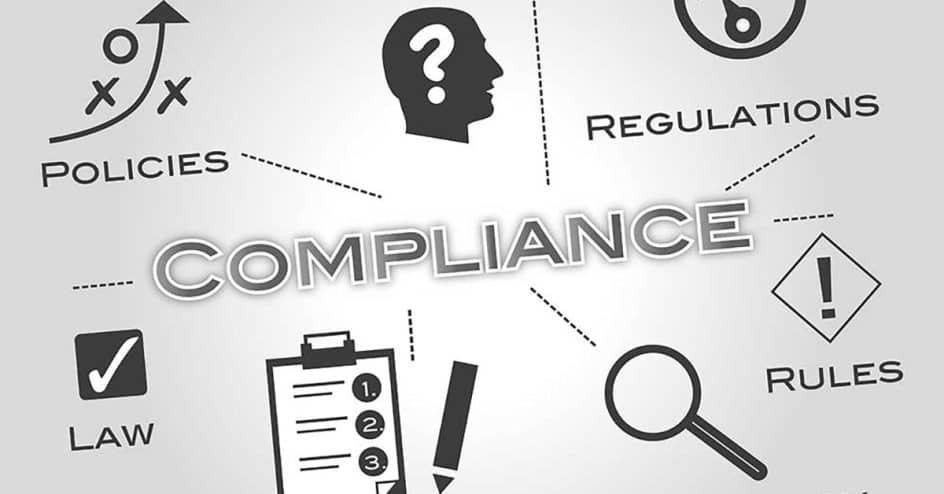
There are many ways businesses must adhere to payment compliance. What’s more, it can get complicated to keep track of the requirements to follow, even though violating this payment processing compliance could lead to litigation or crippling fines. For many companies, the simplest solution is to rely on the software you use to help you reach your compliance goals. Here …
What Does PCI Compliance Mean for your Business?
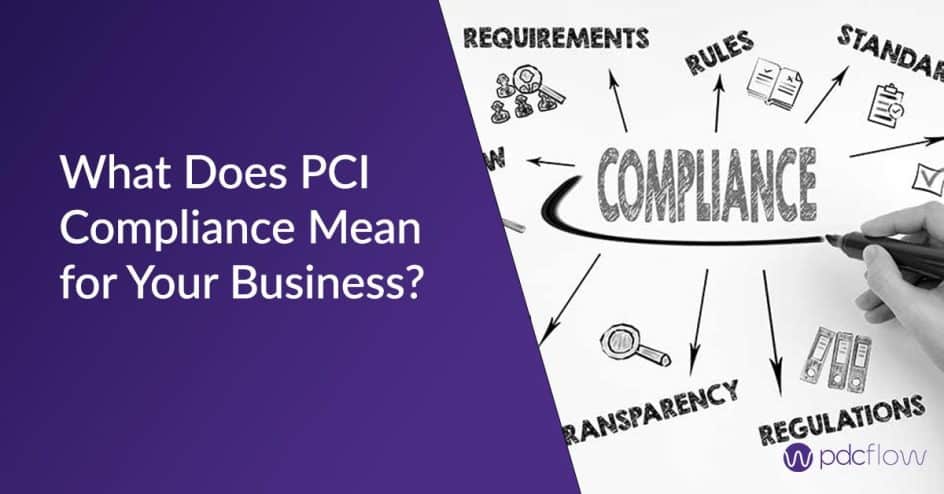
Do you know what it means if your payment processor has told you they maintain most of the burden for PCI DSS compliance? Does this change the rules your business must follow or what PCI DSS compliance means to you? While a PCI compliant processor might offer features that ease merchant responsibility, you are still expected to take steps to …
How To Take Secure Payments Over the Phone

Many customers still want the option to make a payment or ask questions to a live customer service agent. After all, a conversation with an employee is often the easiest way to resolve an issue. How can organizations take payments over the phone and still keep payment data secure?SURVEY SAYS:“Nearly 7 in 10 respondents (69%) said talking to a live …
PCI Compliance Guide for Businesses
Learn about PCI compliance: what it means, what businesses need to do to comply, how to limit the burden and more.
6 Main PCI DSS Compliance Goals

Payment Card Industry (PCI) rules were created to ensure businesses are providing a safe digital environment for consumers to make credit card payments. Following these PCI guidelines keeps you in compliance with industry rules and also keeps you and your consumers safe from data breaches. With a larger number of employees now working remotely, understanding the basic PCI goals and …
Key Features for Secure Payment Processing
In an increasingly digital world, payment processing security features in business shouldn’t take a back seat. Are you offering secure payments to your customers? Here are some of the basic features that you need for secure payment processing.PCI ComplianceBecause sensitive credit card data is so valuable when committing identity theft, businesses that take payments online are often a target for …
Protect Payments with Data Tokenization and Encryption
Security is an essential part of taking payments. Your payment communication software should take precautions with the sensitive information they help you manage. Otherwise, they aren’t looking out for you or your consumers. Encryption and data tokenization are essential steps to protect credit card and bank account numbers from being improperly handled. PDCflow uses both encryption and tokenization of data …
- Page 1 of 2
- 1
- 2
