

Deep Listening
Communication and collections professional Mary Shores is a vocal advocate of listening to consumers. Not only does she train her own agency staff to hone their listening skills, but she offers a Collection Advantage training program to other agencies to teach them how to succeed.
Shores says in order to connect with consumers and excel in recovery, agents must learn to practice deep listening with consumers. Deep listening means an agent:
- Does not interrupt - Interrupting a consumer while they are explaining their situation will cause frustration and block you from your conversation goals. Interruption makes consumers feel unimportant and unheard, and may lead to more complaints and call escalations.
- Does not judge - There are times when an agent may not agree with the reasons a consumer says they can’t pay. Teach your staff that their opinion at this time is not necessary and can sometimes be harmful to resolutions. Consumers need a safe space to explain themselves without being judged, so they may move forward with negotiation.
- Gains information - Deep listening isn’t just for the benefit of the consumer. Listening without interruption gives agents an opportunity to gather useful information. Consumers are likely to offer many clues to their current financial situation which will help both parties when it’s time to come to an agreement.
Listening to Customers in Front line Collection
Building Empathy
One of the biggest factors in successful debt collection is how well your agents practice empathy. While empathy can be taught in other ways, listening to customers is one of the best ways to develop understanding.
Closer listening to the concerns, emotions and circumstances of consumers helps agents identify why bills aren’t getting paid. This understanding opens the door to a closer connection with consumers.
Driving Conversations Forward
Consumers need to feel heard. As Shores discusses in the recent webinar, “The Compassionate Framework for Healthcare Collections,” it’s impossible to progress in a conversation if the other person feels they aren’t being understood.
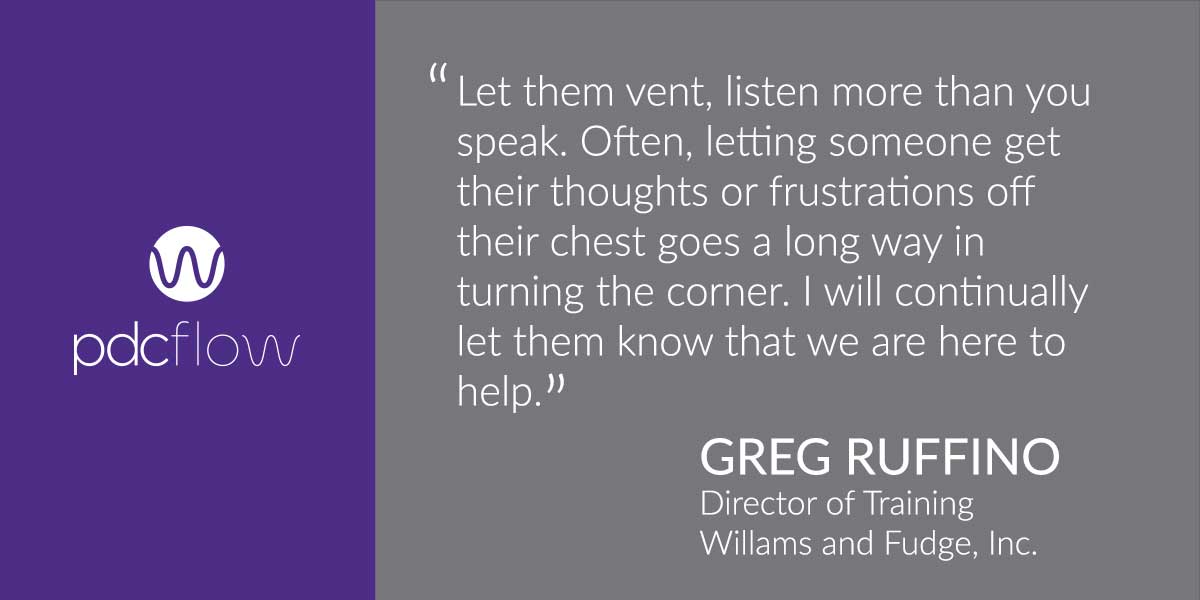
This feeling is a common blocker in debt collection. If a consumer feels their agent isn’t hearing their concerns, they will keep repeating them, stalling progress. Those who feel validated, on the other hand, are more willing to move toward payment negotiations (and less likely to escalate the call).
Problem Solving
The better their listening skills are, the more a collector will gain from a customer interaction. Just as collection expert Beth Conklin says, gaining full and complete information during the first consumer contact is your best chance to fairly assess the account.
Agents should know that closely listening to customers can help them better understand which payment options are realistic and attainable. Not only will that give you more options for the consumer, it will simplify the negotiation process and increase the chances of a better collection outcome.
Building Rapport
Building Listening Skills in Your Collection Team
Training
Call Scripting
Policies and Procedures
If your agency is serious about the consumer experience, good listening skills are essential to success. Consider creating a culture of listening at all levels of your organization, along with stating this mission within your company policy and procedures.
Provide samples of times when listening is important and examples of how to do so. If possible, make training materials and policy and procedure documents available for viewing on-demand, so agents can refer to them any time they like.
Limiting Negative Language
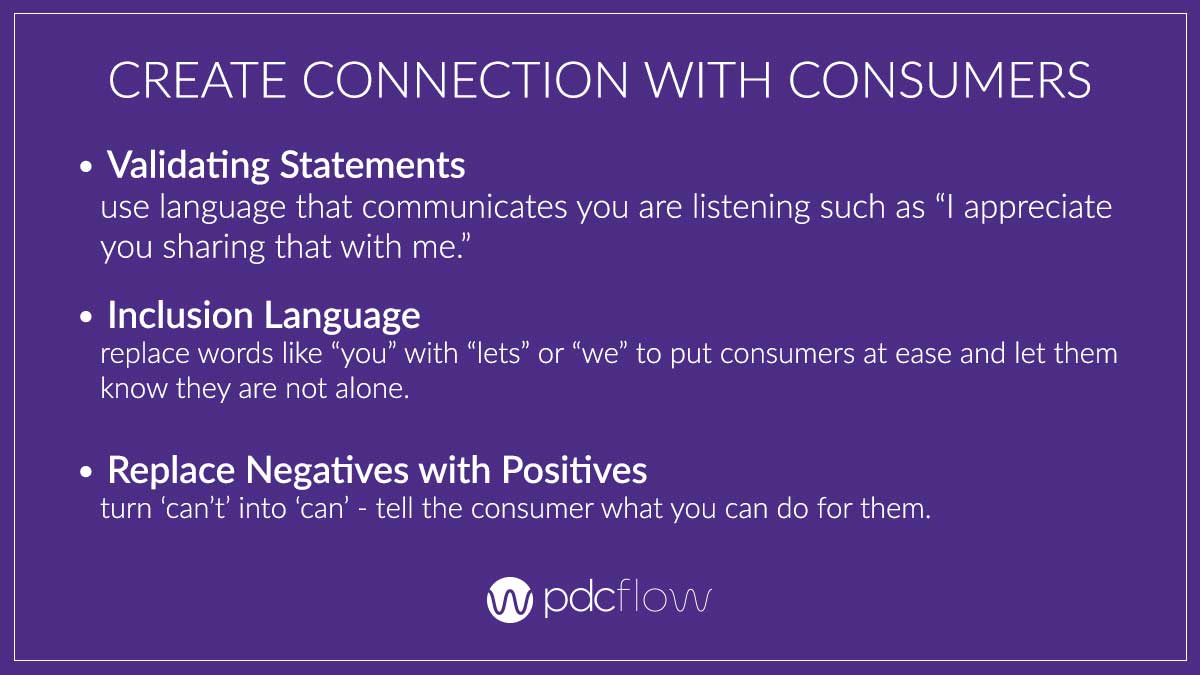
Shores has long been an advocate for replacing negative language with positive language in the debt collection process. She says that the best way to gain the confidence of your consumers is to create positive feelings around resolving their debt.
This tactic can be especially effective during the validation phase of a conversation, when a worried consumer is telling you their story. Positive, reassuring phrases along with the ability to restate a consumer’s concerns will create a strong connection with consumers and let them know you’re here to help.
Listening in Healthcare Collections
All types of collection are a challenge. The additional trauma and emotional distress that comes along with owing medical debts can be especially overwhelming – for both collectors and consumers.
It’s essential for healthcare collectors to listen closely to patients, understand their needs and present realistic, actionable solutions. Listening to patients can help collectors:
- Understand eligibility for creditor financial assistance programs
- Negotiate affordable payment schedules
- Create a positive relationship, ensuring patients they continue to visit your client’s healthcare facility
Of course, listening is just one skill needed for a successful collection call. Agents also need to know how to capture relevant information without being intrusive or inappropriate.
Download this guide for advice from HIPAA and security expert Leslie Bender. Train staff to know their role, understand the consumer's perspective and avoid asking for too much information.
Download Conversational Intelligence in Debt Collection Guide
- ABOUT THE AUTHOR -

Hannah Huerta, Marketing Specialist
Hannah Huerta is a Marketing Specialist at PDCflow. She creates content for the accounts receivable and payment industry.

Related Articles